
BND Scope: Issue 23 - Shock in Gold and Oil Prices
A sharp drop in gold prices and a rapid surge in oil… This dual shock triggered by the Iran-centered conflict is reshaping market dynamics. As inflation risks rise, the Fed is leaning toward a more cautious stance; for investors, interest rates, energy, and liquidity conditions are becoming the key drivers.
BND SCOPE
3/21/20263 min read
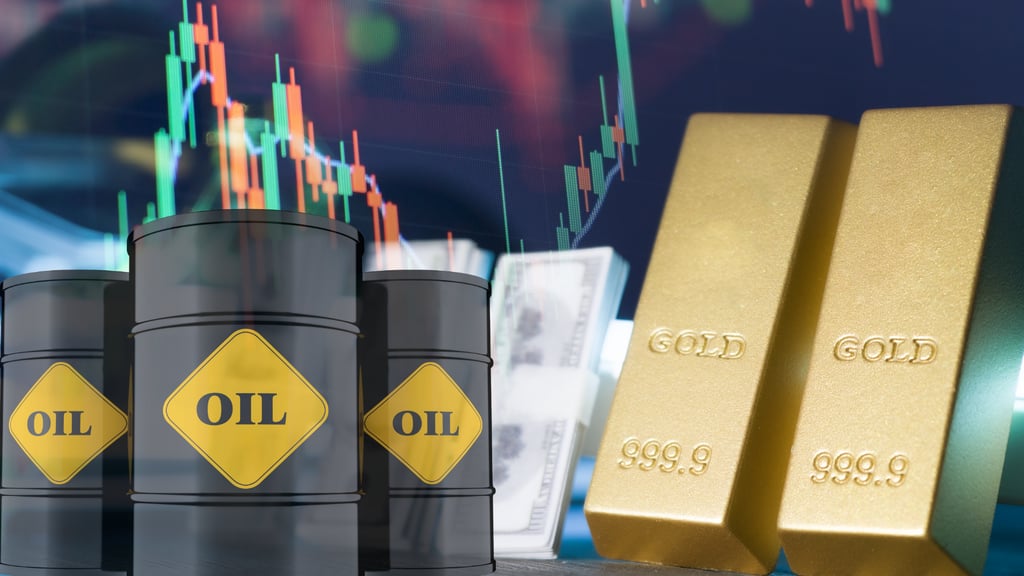
In the first half of March, oil prices climbed to their highest levels since 2022 due to war-driven supply concerns. Sharp intraday swings highlighted just how elevated uncertainty has become. Risks around shipments through the Strait of Hormuz and potential supply cuts from producers pushed prices higher.
This doesn’t only affect energy costs—it creates a ripple effect across transportation, production, and food prices. Historical data also shows a strong relationship between oil prices, food costs, and overall inflation. That’s why oil is no longer just a commodity; it has become a key variable shaping the entire portfolio.
February inflation data appeared relatively moderate, but it reflects the pre-conflict period. The real risk lies ahead, as rising oil prices may push inflation higher in the coming months. Producer prices coming in hotter than expected also signal that cost pressures are spreading across the economy.
In this environment, the Fed kept its policy rate unchanged at 3.50%–3.75% while emphasizing uncertainty. In other words, there is no clear signal of easing. On the contrary, with inflation still above target, the likelihood of delayed rate cuts is increasing.
In short:
Inflation may look stable, but upside risks are growing
The Fed is not in a hurry
Markets are pricing in a “higher for longer” scenario

In recent weeks, we’ve seen how a single development can ripple across all markets. The energy price surge triggered by the Iran-centered conflict has pushed inflation expectations higher, directly influencing the Fed’s policy outlook and financial markets.
Movements in oil prices, in particular, have had a broad impact—reaching from bonds and equities to currencies and housing. In this issue, we break down this chain reaction in a clear and simple way.
Energy Shock: Not Just Oil, But the Entire Market
Inflation and the Fed: A Longer “Wait-and-See” Phase
Sharp Drop in Gold
This macro backdrop has had a clear impact across markets. First, we saw a strong sell-off in bonds—yields rose while prices fell—as investors priced in more persistent inflation.
On the equity side, the combination of higher oil prices and the Fed’s cautious stance triggered sharp declines. Growth stocks, in particular, are more vulnerable in this environment due to their sensitivity to interest rates.
At the same time, the U.S. dollar strengthened, driven by:
The Fed’s relatively tighter stance
Safe-haven demand during geopolitical tensions
Mortgage rates also moved higher, with the 30-year rate rising to 6.22%, adding pressure on the housing market.
However, one of the most striking developments was the sharp decline in gold and silver. Contrary to expectations in times of geopolitical risk, gold fell nearly 10% over the week—its worst performance since 2011—while silver saw even steeper losses.
At first glance, this may seem counterintuitive. But the move was largely driven by technical factors. After a strong rally in 2025, momentum-driven investors began to unwind positions, leading to a sharp pullback.
This highlights an important point:
Gold does not always act as a short-term safe haven. Its price is also shaped by positioning, liquidity needs, and interest rate expectations, not just risk sentiment.
Conclusion
The key takeaway from this period is clear: markets are no longer driven by a single narrative. Instead, multiple risks are being priced in simultaneously. The energy shock is pushing inflation higher, forcing the Fed to remain cautious—putting pressure on both bonds and equities.
At the same time, traditional patterns are not always holding. The sharp decline in gold and silver shows that markets are not driven solely by “flight to safety,” but also by liquidity needs, positioning, and shifting expectations.
For investors, this calls for greater selectivity:
Interest rate sensitivity has become a key risk factor
Companies with strong cash flows are more resilient
Energy and geopolitical developments play a larger role in portfolio decisions
In short:
Markets are no longer rewarding direction alone—they are rewarding resilience and positioning.
Consulting
Join
info@bnd.consulting
+1 (346) 296 - 8588
© 2026. All rights reserved.

800 Bonaventure Way Ste 116 Sugar Land TX 77479